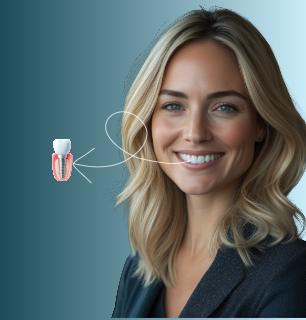
Tooth Fillings
The first step in the tooth filling process is a thorough dental examination and diagnosis. The dentist assesses the tooth to determine the presence of cavities, decay, cracks, or damage that requires restoration. This often involves visual inspection, probing with dental instruments, and sometimes X-rays to detect decay that is not visible to the naked eye. The dentist also evaluates the extent of the decay and the overall oral health of the patient. Accurate diagnosis is crucial because it ensures that only the affected tooth tissue is treated while preserving healthy structures. A clear understanding of the tooth’s condition allows the dentist to select the most appropriate filling material, plan the procedure effectively, and explain the treatment process to the patient, ensuring both safety and optimal results.


Once the tooth requiring treatment is identified, the next step is to ensure patient comfort through local anesthesia. The dentist numbs the affected area using a safe anesthetic to prevent pain during the procedure. After anesthesia takes effect, the tooth is prepared by removing decayed or damaged tissue using dental drills, laser devices, or air abrasion tools. The dentist carefully shapes the cavity to ensure that it can securely hold the filling material while minimizing removal of healthy tooth structure. Proper tooth preparation is essential for the durability and success of the filling. By carefully cleaning and shaping the cavity, the dentist creates a stable foundation for the restorative material, reducing the risk of future decay and ensuring that the tooth maintains both function and strength after treatment.
After the tooth is prepared, the dentist selects an appropriate filling material based on the location of the cavity, aesthetic requirements, and functional demands. Common materials include composite resin, dental amalgam, glass ionomer, and gold or ceramic inlays. Composite resins are popular for their natural appearance, blending seamlessly with tooth color, while amalgam is durable and often used for back teeth. Glass ionomer releases fluoride and can protect against further decay. Gold and ceramic provide long-lasting strength for high-stress areas. The choice of material also considers patient preferences, cost, and any allergies. Selecting the right material ensures that the filling restores tooth function, maintains aesthetics, and provides long-term protection against recurrent decay. Proper material selection also minimizes the risk of future complications, ensuring a successful and durable restoration.
Once the material is selected, the dentist carefully places it into the prepared cavity. For composite fillings, the material is applied in layers, with each layer being shaped and hardened using a special curing light. This layering technique ensures a strong bond to the tooth structure and prevents shrinkage or gaps that could cause future decay. For amalgam fillings, the material is packed into the cavity and carved to match the natural contours of the tooth. During placement, the dentist ensures that the filling restores the tooth’s shape, bite, and function accurately. Proper placement is essential for the durability of the restoration, preventing discomfort, maintaining alignment with adjacent teeth, and ensuring the tooth can withstand normal chewing forces over time. Accurate placement also helps maintain long-term oral health by reducing the risk of bacterial infiltration.
After the filling is placed, the dentist shapes and polishes it to ensure smoothness, comfort, and proper alignment with the surrounding teeth. Special tools are used to trim any excess material, adjust the height, and contour the surface to restore natural tooth anatomy. The dentist then checks the patient’s bite by asking them to gently close and chew, making adjustments if the filling feels too high or uneven. Proper shaping and bite adjustment are crucial to prevent discomfort, jaw strain, or abnormal wear on the restored tooth and surrounding teeth. Polishing the filling also minimizes rough edges, reduces plaque accumulation, and enhances the aesthetic appearance of the restored tooth, ensuring both functionality and a natural, attractive smile. Careful finishing and bite correction also help maintain long-term durability and prevent potential complications remains healthy and effective for years.
Once the tooth filling is complete, the dentist provides instructions for post-procedure care to ensure healing, longevity, and oral health maintenance. Patients are advised to avoid hard, sticky, or extremely hot foods for a short period and maintain excellent oral hygiene through regular brushing, flossing, and dental check-ups. Routine monitoring is recommended to check for wear, cracks, or recurrent decay around the filling. Composite fillings may require periodic polishing or touch-ups, while amalgam and ceramic restorations can last many years with proper care. By following these guidelines, patients can ensure that their fillings remain durable, functional, and aesthetically pleasing, contributing to long-term oral health and preventing future dental complications. Consistent follow-up and adherence to these recommendations also help detect any issues early and preserving overall dental health.
At Smile X Dental Clinic, we prioritise more than just healthy smiles; we focus on personalised care tailored to each patient’s needs. Our team is committed to creating a comfortable, welcoming environment while using the latest technology and techniques to ensure the highest quality dental care. We believe in education and empowerment, striving to inform our patients about their oral health and empower them to make informed decisions.
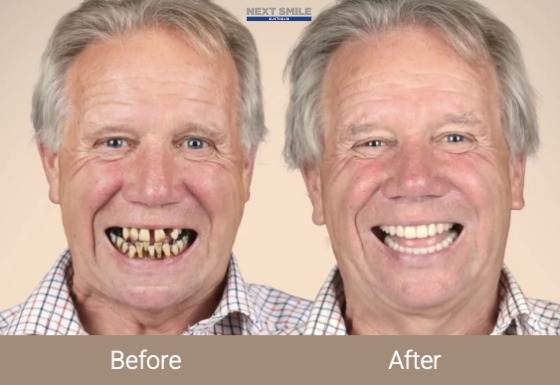
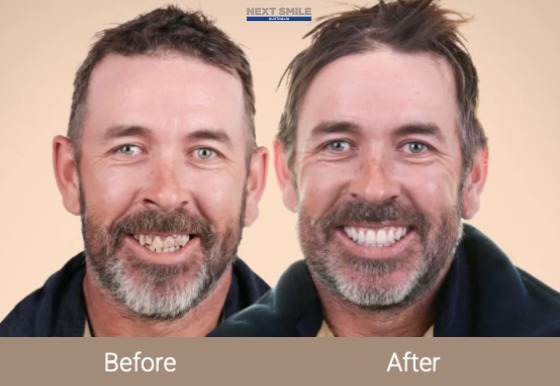
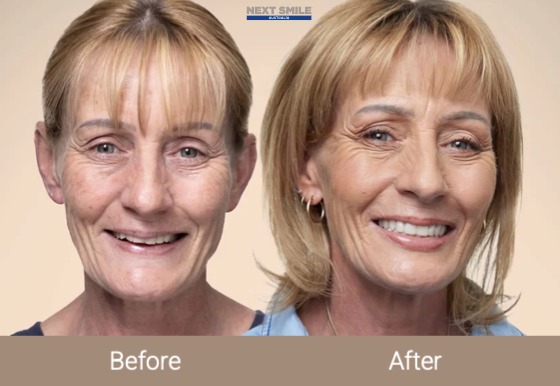
Its important you have all the information you need to confidently choose the treatment journey that is right for you. Our before & after photos showcase the results we have achieved for some of our thrilled patients. The results of the treatment vary from patient to patient and your results may differ. You can also find out if All on-4® Dental Implants are right for you and meet our team of dedicated professionals who are committed to achieving positive results for you and your smile
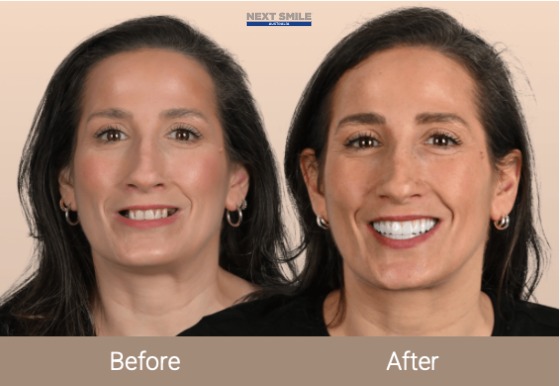
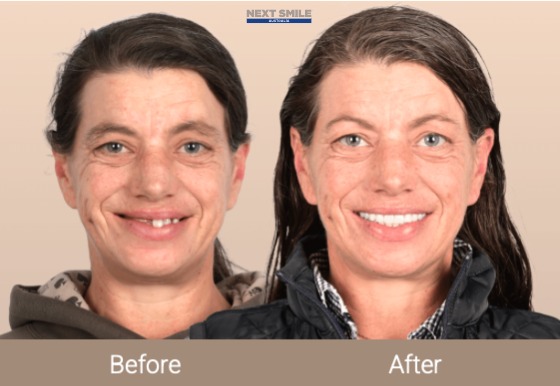
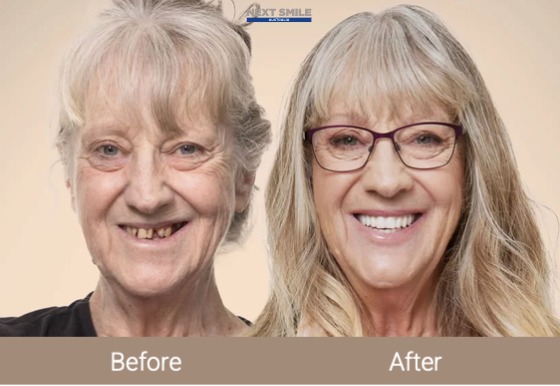







Explore the answers to common queries about our dental services in our Frequently Asked Questions (FAQ) section. From appointment scheduling to post-treatment care, find the information you need to make your dental experience with us smooth and informed.
Regular dental check-ups are essential for preserving the health of your implant teeth. Together with our dental team, we will help determine the optimal frequency of these visits but typically they will be between 3 to 6 months. During these check-ups our expert dental team will thoroughly assess and clean your implants, teeth, and gums, ensuring no area goes overlooked, including those hard to reach areas. Professional cleaning of tooth implants requires more intricate techniques and may involve specialised instruments, making the process slightly longer but it is crucial for ensuring the longevity of your dental implants. At main street dental we are dedicated to providing ongoing care to safeguard your radiant smile. Regular check-ups and professional cleaning is key to maintaining the health and beauty of your implant teeth.
Embarking on the dental implant process is an exciting step towards restoring your smile. This transformative journey typically takes 3-6 months, starting with the removal of the affected tooth, followed by the precise placement of the dental implant, and culminating in the delivery of your perfect replacement tooth. If the missing tooth is in a visible area we can provide a temporary tooth for aesthetic concerns during this period. For those with good bone quality or considering All on 4 Plus implant treatment, the path to a complete smile can be surprisingly quick. In some cases, you may receive your new teeth within a few days or even on the same day as the procedure.However, if the tooth being replaced has an infection, or the underlying bone quality and quantity require improvement the treatment duration may take longer. Bone grafting or soft tissue grafting may be necessary which will extend the treatment time to ensure a suitable foundation for your permanent replacement. It’s important to be aware that certain medical conditions, like cancer, blood disorders, nerve problems, or uncontrolled diabetes, may warrant further assessment before dental implant placement. Individuals under 18 years old may need to wait until their bones have fully developed before considering dental implants. Explore the possibilities of dental implants at Lifestyle Smiles. Our experienced team are dedicated to guiding you through this journey, ensuring that you achieve a confident and radiant smile.
There are many dental implant brands available worldwide, but the most important factor is choosing a dentist who uses clinically proven, internationally recognised implant systems. Reputable implant brands are supported by decades of research, long-term clinical evidence, and global manufacturing standards all of which contribute to safe treatment and predictable, long-lasting results. At main street dental, we use only premium dental implant brands that are trusted by clinicians around the world. The Dental Implant Brands We Use Nobel Biocare® Dental Implants Nobel Biocare is a world-leading dental implant brand and a pioneer in modern implant dentistry. Known for innovation and precision engineering, Nobel Biocare implants are widely used for both routine and complex cases, including full-arch restorations and highly aesthetic treatments. The brand is backed by decades of clinical success and is recognised internationally for its reliability and long-term outcomes. Straumann® Dental Implants Straumann is widely recognised as one of the leading dental implant brands globally. Manufactured in Switzerland, Straumann implants are known for their exceptional quality, durability, and advanced surface technology that promotes strong and stable bone integration. Straumann implants are used in over 100 countries and are supported by extensive clinical research and long-term data. Choosing the Right Implant Brand Both Nobel Biocare and Straumann are considered top-tier dental implant systems, offering excellent long-term success when placed by experienced clinicians. At main street dental, our dentists assess your oral health, bone structure, and treatment goals to recommend the most suitable implant option for your individual needs. Selecting a clinic that uses globally trusted implant brands and experienced clinicians helps ensure natural-looking, durable, and predictable results.
At main street dental our dental implant payment plans start from $50 per week. Dental Implant costs vary based on many factors such as the damage to your teeth, the stability and volume of your bone, the material and brand of the implant, whether you need additional bone and soft tissue grafting, and the aesthetic demand of the case. Get in touch with us to arrange an appointment with our dentist so you can get an accurate quote of your dental implant journey.