Sleep Apnoea
Obesity is one of the most common causes of sleep apnoea, particularly obstructive sleep apnoea (OSA). Excess body fat, especially around the neck and throat, can narrow the airway, making it more likely to collapse during sleep. Fat deposits in the upper airway increase resistance to airflow, forcing the muscles to work harder to maintain breathing. People with a high body mass index (BMI) are significantly more prone to experiencing frequent pauses in breathing, loud snoring, and daytime sleepiness. Weight gain can also exacerbate existing sleep apnoea, while weight loss is often recommended as part of treatment. Maintaining a healthy weight reduces pressure on the airway, improves breathing, and decreases the risk of complications like high blood pressure, heart disease, and diabetes associated with sleep apnoea.


Alcohol consumption, especially before bedtime, can increase the risk of sleep apnoea. Alcohol acts as a muscle relaxant, reducing the tone of the throat muscles and increasing the likelihood of airway collapse. This effect is particularly pronounced in people who already have anatomical narrowing or other risk factors. Alcohol can also suppress the brain’s natural arousal response to low oxygen levels, prolonging apnoeic events and worsening oxygen desaturation. Regular or heavy alcohol use can exacerbate symptoms like snoring, daytime sleepiness, and poor sleep quality. Limiting or avoiding alcohol, especially in the evening, is often recommended as part of lifestyle modifications to reduce the severity of sleep apnoea.
Smoking increases the risk of sleep apnoea through multiple mechanisms. It causes inflammation and fluid retention in the upper airway, which narrows the passage and makes breathing more difficult during sleep. Nicotine and other chemicals in tobacco also contribute to airway irritation, swelling, and mucus production, further obstructing airflow. Smokers with sleep apnoea often experience more severe symptoms, including louder snoring, more frequent apnoeic events, and greater daytime fatigue. Quitting smoking has been shown to improve airway function, reduce inflammation, and enhance the effectiveness of other sleep apnoea treatments. This makes tobacco cessation an important component of prevention and management.
Certain medical conditions increase the risk of sleep apnoea. These include hypertension, diabetes, hypothyroidism, heart disease, stroke, and neuromuscular disorders that affect airway control. People with congestive heart failure or central nervous system abnormalities may develop central sleep apnoea, where the brain fails to signal proper breathing. Obesity-related conditions, metabolic syndrome, or chronic inflammation further worsen airway obstruction. Recognizing these comorbidities is essential because untreated sleep apnoea can exacerbate these conditions, creating a cycle of worsening health. Comprehensive evaluation and management of underlying medical issues improve sleep quality, reduce apnoea severity, and protect overall health.
Chronic nasal congestion and allergies can contribute to sleep apnoea by restricting airflow through the nose. Conditions such as chronic sinusitis, allergic rhinitis, or a deviated septum force individuals to breathe through the mouth during sleep, increasing the risk of airway collapse. Blocked nasal passages can also worsen snoring and reduce oxygen intake, exacerbating sleep disruption. Treatment of underlying nasal or sinus problems through medications, allergy management, or surgical interventions can significantly improve airflow, reduce apnoeic episodes, and enhance the effectiveness of other treatments like CPAP (Continuous Positive Airway Pressure) therapy.
The use of sedatives, sleeping pills, or certain medications can increase the likelihood of sleep apnoea. These drugs relax the muscles of the throat and tongue, which can block the airway during sleep. Common medications include benzodiazepines, opioids, and other central nervous system depressants. While they may help with sleep onset, their muscle-relaxing effects can worsen apnoea severity, prolonging breathing interruptions and reducing oxygen levels in the blood. Physicians often evaluate medication use in patients with suspected sleep apnoea and may adjust or replace drugs to minimize risk, combining this with other interventions like lifestyle changes or CPAP therapy.
At Smile X Dental Clinic , we prioritise more than just healthy smiles; we focus on personalised care tailored to each patient’s needs. Our team is committed to creating a comfortable, welcoming environment while using the latest technology and techniques to ensure the highest quality dental care. We believe in education and empowerment, striving to inform our patients about their oral health and empower them to make informed decisions.
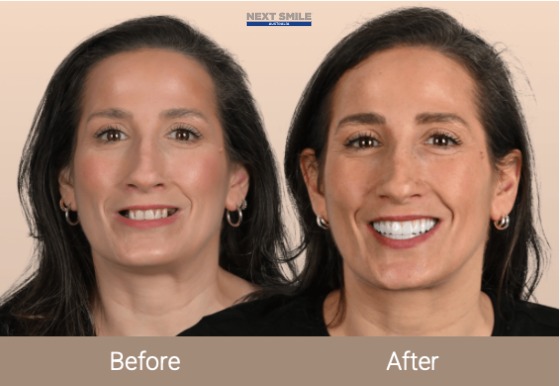
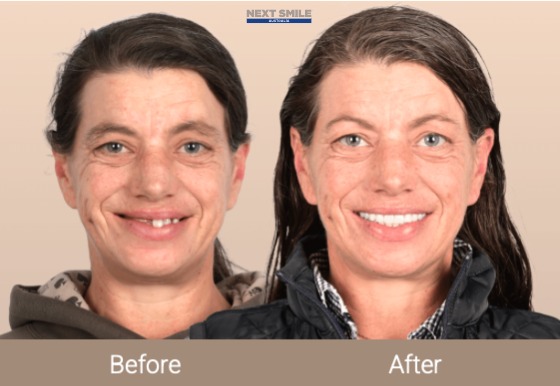
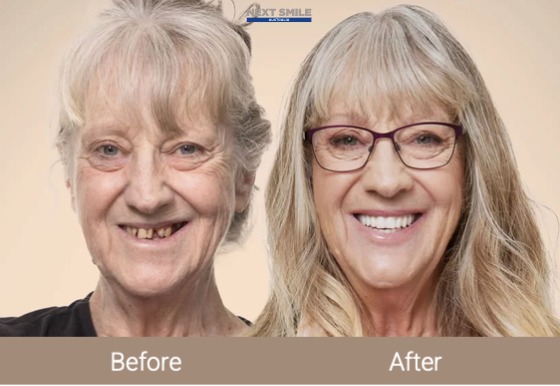
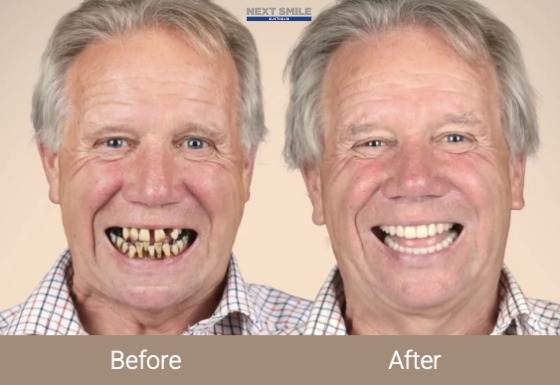
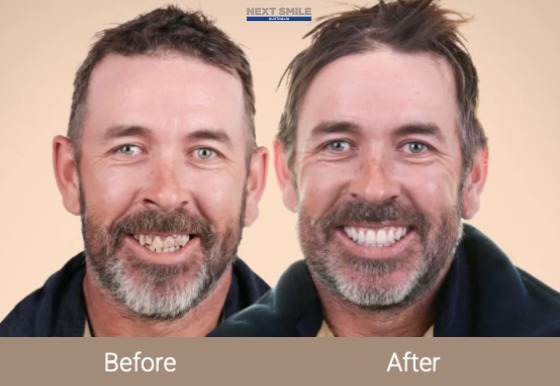
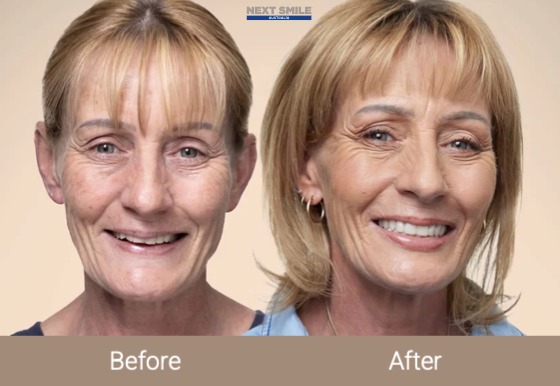
Its important you have all the information you need to confidently choose the treatment journey that is right for you. Our before & after photos showcase the results we have achieved for some of our thrilled patients. The results of the treatment vary from patient to patient and your results may differ. You can also find out if All on-4® Dental Implants are right for you and meet our team of dedicated professionals who are committed to achieving positive results for you and your smile






Explore the answers to common queries about our dental services in our Frequently Asked Questions (FAQ) section. From appointment scheduling to post-treatment care, find the information you need to make your dental experience with us smooth and informed.
Regular dental check-ups are essential for preserving the health of your implant teeth. Together with our dental team, we will help determine the optimal frequency of these visits but typically they will be between 3 to 6 months. During these check-ups our expert dental team will thoroughly assess and clean your implants, teeth, and gums, ensuring no area goes overlooked, including those hard to reach areas. Professional cleaning of tooth implants requires more intricate techniques and may involve specialised instruments, making the process slightly longer but it is crucial for ensuring the longevity of your dental implants. At main street dental we are dedicated to providing ongoing care to safeguard your radiant smile. Regular check-ups and professional cleaning is key to maintaining the health and beauty of your implant teeth.
Embarking on the dental implant process is an exciting step towards restoring your smile. This transformative journey typically takes 3-6 months, starting with the removal of the affected tooth, followed by the precise placement of the dental implant, and culminating in the delivery of your perfect replacement tooth. If the missing tooth is in a visible area we can provide a temporary tooth for aesthetic concerns during this period. For those with good bone quality or considering All on 4 Plus implant treatment, the path to a complete smile can be surprisingly quick. In some cases, you may receive your new teeth within a few days or even on the same day as the procedure.However, if the tooth being replaced has an infection, or the underlying bone quality and quantity require improvement the treatment duration may take longer. Bone grafting or soft tissue grafting may be necessary which will extend the treatment time to ensure a suitable foundation for your permanent replacement. It’s important to be aware that certain medical conditions, like cancer, blood disorders, nerve problems, or uncontrolled diabetes, may warrant further assessment before dental implant placement. Individuals under 18 years old may need to wait until their bones have fully developed before considering dental implants. Explore the possibilities of dental implants at Lifestyle Smiles. Our experienced team are dedicated to guiding you through this journey, ensuring that you achieve a confident and radiant smile.
There are many dental implant brands available worldwide, but the most important factor is choosing a dentist who uses clinically proven, internationally recognised implant systems. Reputable implant brands are supported by decades of research, long-term clinical evidence, and global manufacturing standards all of which contribute to safe treatment and predictable, long-lasting results. At main street dental, we use only premium dental implant brands that are trusted by clinicians around the world. The Dental Implant Brands We Use Nobel Biocare® Dental Implants Nobel Biocare is a world-leading dental implant brand and a pioneer in modern implant dentistry. Known for innovation and precision engineering, Nobel Biocare implants are widely used for both routine and complex cases, including full-arch restorations and highly aesthetic treatments. The brand is backed by decades of clinical success and is recognised internationally for its reliability and long-term outcomes. Straumann® Dental Implants Straumann is widely recognised as one of the leading dental implant brands globally. Manufactured in Switzerland, Straumann implants are known for their exceptional quality, durability, and advanced surface technology that promotes strong and stable bone integration. Straumann implants are used in over 100 countries and are supported by extensive clinical research and long-term data. Choosing the Right Implant Brand Both Nobel Biocare and Straumann are considered top-tier dental implant systems, offering excellent long-term success when placed by experienced clinicians. At main street dental, our dentists assess your oral health, bone structure, and treatment goals to recommend the most suitable implant option for your individual needs. Selecting a clinic that uses globally trusted implant brands and experienced clinicians helps ensure natural-looking, durable, and predictable results.
At main street dental our dental implant payment plans start from $50 per week. Dental Implant costs vary based on many factors such as the damage to your teeth, the stability and volume of your bone, the material and brand of the implant, whether you need additional bone and soft tissue grafting, and the aesthetic demand of the case. Get in touch with us to arrange an appointment with our dentist so you can get an accurate quote of your dental implant journey.